Cannabis today looks very different from the varieties grown centuries ago. Modern strains carry distinct flavours, intensified aromas, and targeted effects, qualities that didn’t appear by chance. The evolution of cannabis genetics has been shaped by natural selection, cultural practices, and, more recently, deliberate scientific breeding. Together, these influences have transformed cannabis into the diverse, potent, and therapeutic plant we know today.
The Origins of Cannabis: Ancient Roots
Cannabis is one of the world’s earliest cultivated plants, with evidence of use dating back thousands of years in Asia, the Middle East, and Eastern Europe. These early varieties, known as landrace strains, developed naturally in specific climates and regions over centuries.
Early cultivation and global spread
As people travelled, traded, and settled, cannabis seeds moved with them. Environmental differences created unique adaptations:
- Mountain climates produced short, stockier indica varieties
- Warm, tropical regions favoured tall, airy sativa plants
Natural selection vs. human cultivation
While nature played a major role in shaping early cannabis, ancient people also began selecting plants with desirable traits—such as stronger fibres, better flavour, or calming effects. This early form of breeding set the stage for the genetic complexity of modern strains.
The Science Behind Cannabis Genetics
Understanding cannabis evolution starts with its fundamental biology.
Indica, Sativa, and Ruderalis
These three primary subspecies each contributed unique genetic traits:
- Indica: Short, resinous, fast-flowering plants
- Sativa: Tall, energizing varieties with longer flowering times
- Ruderalis: Hardy, self-flowering plants capable of surviving harsh climates
Modern hybrids often blend all three.
Cannabinoids and terpenes: the genetic architects of aroma and effect
A plant’s cannabinoid profile (THC, CBD, CBG, etc.) and terpene composition are determined by genetics. These compounds influence everything from potency and therapeutic benefits to aroma and flavour. Breeding allows cultivators to enhance or suppress certain traits to achieve a desired outcome.
The Rise of Selective Breeding
As cannabis entered the modern era, breeders began refining strains with unprecedented precision.
Breeding for potency
Through decades of selective breeding, THC levels have risen dramatically. What once averaged 3–5% THC can now reach upwards of 25–30% in premium flower.
Breeding for specific traits
Selective breeding can target:
- Terpene-rich profiles like citrus, fruit, spice, or diesel
- Higher CBD levels for medical applications
- Improved yields and resilience
- Unique effects—energizing, balanced, or deeply relaxing
These efforts have transformed cannabis from a wild crop into a highly curated botanical product.
Hybridization: The New Cannabis Era
Today, nearly every strain on the market is a hybrid. Pure indicas or sativas are extremely rare.
Why hybrids dominate
Breeders cross plants to combine the strongest traits from each parent—creating strains that offer improved effects, flavours, and growing characteristics.
Crossbreeding techniques and challenges
While hybridization creates exciting genetic diversity, it also presents challenges:
- Achieving genetic stability can take many generations
- Uncontrolled crossbreeding may cause strain inconsistency
- Maintaining a strain’s identity requires careful selection and cloning
Still, hybridization remains the backbone of modern cannabis innovation.
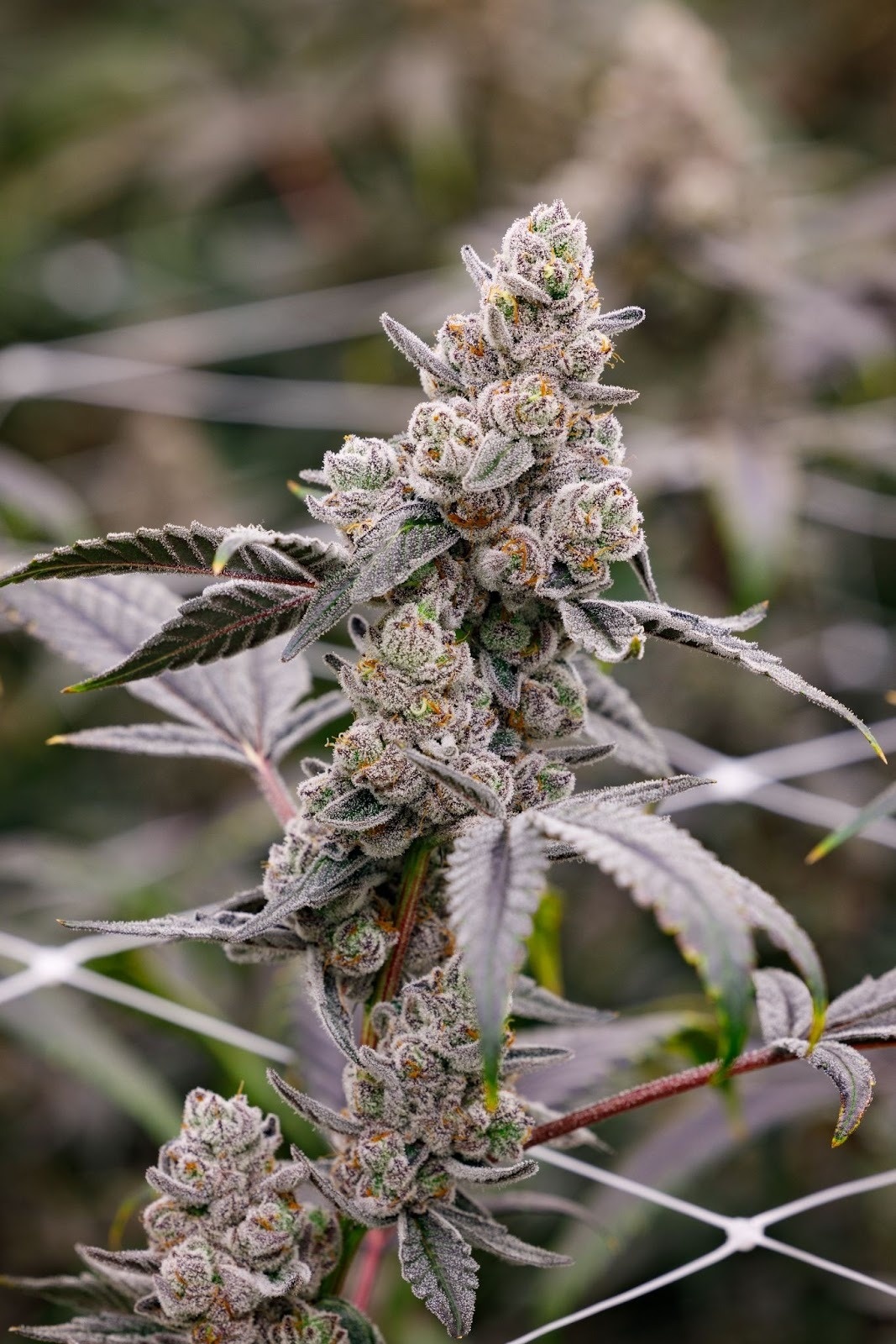
Genetic Engineering and Modern Advancements
As legalization expands, cannabis genetics are entering a new frontier—one driven by biotechnology.
Biotechnology in cannabis cultivation
Modern tools allow scientists to map entire cannabis genomes, understand gene expression, and develop precise breeding strategies.
CRISPR and genetic modification
While still in early stages for cannabis, CRISPR and similar technologies offer possibilities such as:
- Increasing cannabinoid production
- Enhancing disease resistance
- Producing novel cannabinoids through genetic edits
Tissue culture, cloning, and feminized seeds
Advancements like tissue culture propagation allow for clean, disease-free starts, while feminized seeds ensure predictable, flower-producing plants. These innovations support scalable, reliable cultivation.
Environmental and Market Impact
Cannabis genetics don’t just influence consumer experience—they determine how plants grow and how the industry functions.
Cultivation considerations
Strains bred for specific environments reduce resource use and improve sustainability. For example:
- Fast-flowering genetics reduce energy consumption
- Disease-resistant varieties lower the need for pesticides
- Climate-adapted strains thrive in local conditions
Market forces driving genetic innovation
Legalization created global demand for unique strains, pushing breeders to innovate with new flavour profiles, cannabinoid ratios, and boutique terpene combinations.
Future of Cannabis Genetics
The next decade of cannabis will be shaped by a blend of science, sustainability, and preservation.
Predictions for the next generation of strains
- Tailored medicinal strains targeting specific conditions
- Low-THC, terpene-rich varieties for functional use
- Designer strains with curated effects for mood, creativity, or sleep
Conserving landrace genetics
As hybrids dominate, preserving ancient landrace strains becomes crucial. They serve as the genetic foundation for future breeding and hold unique traits shaped by centuries of natural evolution.
Conclusion
From ancient landraces to cutting-edge hybrids, the evolution of cannabis genetics reflects a remarkable blend of nature, human ingenuity, and scientific progress. As research expands and consumer demand grows, the next chapter of cannabis breeding promises even more flavourful, resilient, and therapeutically rich strains. For cultivators and enthusiasts alike, the genetic story of cannabis is only just beginning.